
Fertility Nutrition through a Chinese Medicine Lens
- Madeleine Chapman

- Jun 9
- 3 min read
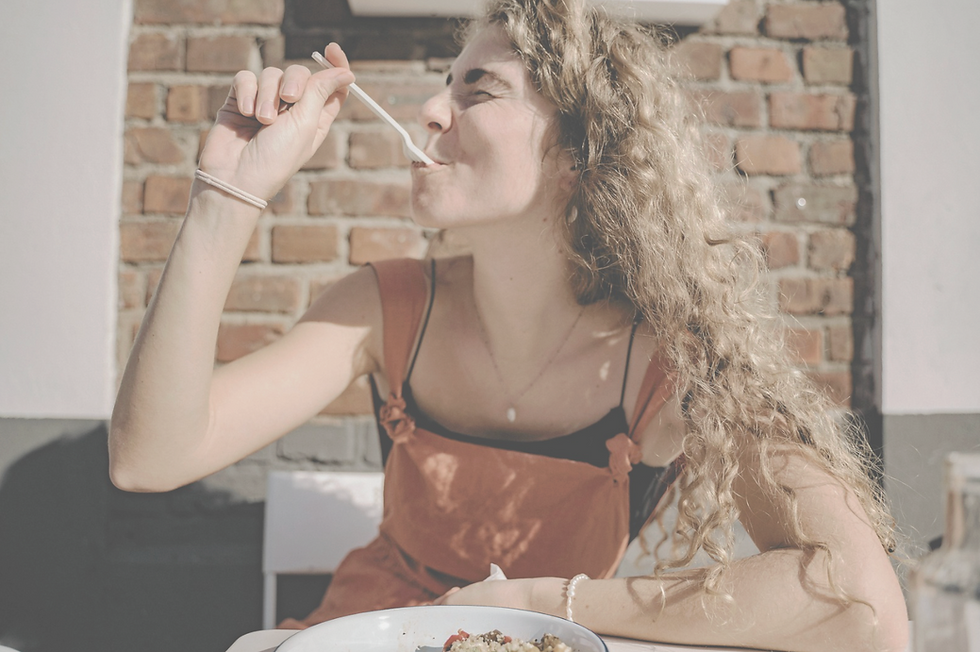
When people start trying to conceive, they often focus on what to cut out: alcohol, caffeine, processed foods, sugar, gluten, dairy, seed oils... the list can feel endless.
While there is certainly a place for reducing foods that don't support our health, Traditional Chinese Medicine (TCM) takes a slightly different approach.
Rather than asking, "What should I avoid?", we often ask:
"What does my body need more of?"
From a Chinese medicine perspective, preparing for pregnancy is a time of building. Building Blood. Building nourishment. Building warmth. Building reserves.
Fertility Is a Time for Nourishment
Many modern diets focus on restriction, weight loss or cleansing. While these approaches may be appropriate in some situations, TCM traditionally views the months before conception as a time to nourish the body deeply.
For example:
Regular meals
Good quality protein
Plenty of cooked vegetables
Healthy fats
Soups, broths and stews
Adequate hydration
Foods that are easy to digest
The goal isn't eating more food. It's eating more nourishing food.
Why "Blood" Matters
In Chinese medicine, "Blood" does far more than simply circulate through blood vessels.
Healthy Blood is thought to nourish the menstrual cycle, support ovulation, help prepare the uterine lining and provide nourishment throughout pregnancy.
While the TCM concept of Blood differs from the Western medical definition, both recognise the importance of adequate nutrition before conception.
Women with long-term stress, heavy periods, restrictive diets, digestive issues, intense exercise schedules or a history of iron deficiency may particularly benefit from focusing on nourishing foods.
Traditional Blood-Building Foods
Many traditional cultures value specific foods during the reproductive years.
Foods commonly used in Chinese dietary therapy include:
Animal Foods
Slow-cooked beef
Lamb
Bone broths
Meat and vegetable soups
Eggs
Sardines
Salmon
Oysters
Mussels
Red and Dark-Coloured Foods
Beetroot
Red dates (jujubes)
Goji berries
Cherries
Mulberries
Blackberries
Vegetables
Spinach
Silverbeet
Kale
Broccoli
Carrot
Sweet potato
Pumpkin
Legumes and Grains
Black beans
Adzuki beans
Lentils
Black rice
Oats
Millet
Nuts and Seeds
Black sesame seeds
Pumpkin seeds
Walnuts
Many of these foods have been traditionally used to nourish Blood, support digestion and build the body's reserves.
Digestion
In Chinese medicine, nourishment depends not only on what we eat, but also on what we absorb.
This is one reason warm, cooked foods are often preferred when preparing for pregnancy.
Soups, stews, casseroles, congee, slow-cooked meats and cooked vegetables are traditionally considered easier to digest than large amounts of raw salads, smoothies or iced drinks.
A simple shift from a cold smoothie breakfast to eggs, oats or warm leftovers from dinner can make a significant difference for some people.
A Fertility-Friendly Day of Eating
Breakfast:
Oats cooked with cinnamon
Stewed apple/pears
Walnuts
Black sesame seeds
Lunch:
Slow-cooked lamb and vegetable soup
Sourdough or rice
Snack:
Handful of walnuts and pumpkin seeds
Red date (Jujube) tea
Dinner:
Beef casserole or bone broth-based soup
Sweet potato
Steamed greens
Simple, nourishing and satisfying.
Fertility nutrition is not about eating perfectly.
It's about creating a good foundation, with replenishment rather than restriction. A time to support digestion, build Blood, and ensure the body has the resources it needs for pregnancy.
The same principles that support health before conception continue throughout pregnancy.
From a Chinese medicine perspective, pregnancy is also not the time for restrictive dieting or skipping meals. Instead, the focus remains on foods that provide nourishment, are easy to digest and help meet the body's increased nutritional demands.
Warm meals, soups, stews, bone broths, eggs, quality proteins, vegetables, whole grains and traditional blood-building foods such as beetroot, red dates (jujubes), goji berries and black sesame seeds are commonly included throughout both pre-conception and pregnancy.
In Chinese medicine, fertility and pregnancy are viewed as a season of growth. By eating regularly and choosing nutrient-dense foods, you're helping to support your own well being while providing the resources needed for your growing baby.
Don't feel like every meal needs to be perfect. It's the overall pattern of how you eat and care for yourself over time that matters. Small, sustainable habits can make a meaningful difference before conception, throughout pregnancy and beyond.
This article provides general information only and is not intended as medical advice.


Comments